

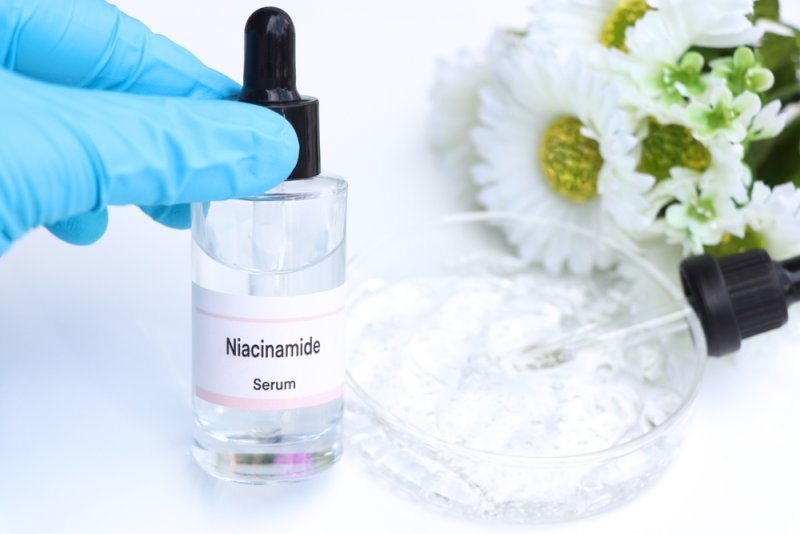
Standing in the skincare aisle staring at glowing serum bottles can feel overwhelming. You want clear, radiant, healthy skin, but ingredient labels often sound like high school chemistry tests. Deciding between niacinamide vs. hyaluronic acid leaves many beauty lovers questioning which bottle truly deserves a spot on their vanity. Clinical dermatological studies show that hyaluronic acid can hold up to 1000 times its weight in water, while topical niacinamide can improve skin barrier integrity by over 20 percent within weeks.
Navigating complex skincare choices should never feel confusing or stressful. Your skin deserves targeted nourishment that works in harmony with your natural barrier.
In this complete guide, we will unpack the key differences between niacinamide and hyaluronic acid. We will explore their specific benefits, walk through step-by-step application methods, and reveal how combining both transforms your daily routine.
Niacinamide, also known as vitamin B3, is a water-soluble nutrient that works wonders for skin health. It supports cellular energy and restores structural lipids to strengthen your outer protective shield.
Using a daily niacinamide serum helps calm inflammation, fade hyperpigmentation spots, and regulate excess sebum. It tightens visible pores, soothes redness, and provides essential antioxidant defense against environmental stress.
Niacinamide suits almost every skin type. It is especially helpful for acne sufferers dealing with breakouts, sensitive skin types prone to flushing, and anti-aging seekers looking to smooth fine lines.
Hyaluronic acid is a sugar molecule naturally produced by your body to keep connective tissues lubricated and moist. Its incredible capacity for water binding makes it a cornerstone of modern hydration products.
Incorporating a hyaluronic acid serum floods thirsty skin cells with moisture. It instantly plumps fine lines, restores supple elasticity, and combats dry, flaky patches caused by harsh weather.
Hyaluronic acid works brilliantly for dehydrated skin types. It offers weightless, non-greasy hydration that helps skincare novices and estheticians build reliable foundational routines.
Try This: Niacinamide vs Vitamin C: Which Is Better for Your Skin?
Comparing these two powerhouse ingredients highlights how they tackle distinct skin concerns through unique biological pathways.
Niacinamide acts as a restorative manager on a cellular level. It encourages your skin to build essential ceramides, controlling oil production while smoothing uneven texture. It works inside the skin matrix to repair damage and calm irritation.
Hyaluronic acid operates primarily as a moisture magnet. It does not regulate oil or fade dark spots; instead, it draws ambient water into thirsty skin cells. While hyaluronic acid replenishes hydration levels, niacinamide ensures that moisture cannot escape by reinforcing the outer lipid seal.
| Feature | Niacinamide | Hyaluronic Acid |
| Primary Role | Barrier Repair & Oil Balance | Intense Hydration & Plumping |
| Key Mechanism | Stimulates Ceramide Production | Binds Water Molecules |
| Best For | Blemishes, Pores, Redness | Dryness, Dehydration, Fine Lines |
| Texture Feel | Lightweight, Balancing | Dewy, Gel-Like, Plumping |
Yes, combining these two active ingredients creates a synergistic routine that boosts overall hydration and radiance. They do not clash or cancel each other out.
Selecting the right product comes down to analyzing your primary skin goals.
Choose niacinamide if you want to fade dark spots, minimize enlarged pores, control oil, or calm active acne breakouts.
Choose hyaluronic acid if your skin feels tight, looks dull, or shows surface dehydration lines that need immediate plumping.
If layering separate bottles feels tedious, choosing a single formula that combines both ingredients gives you the best of both worlds in one swift step.
Its rich gel texture sinks rapidly into sensitive or post-procedure skin without stickiness, making it an exceptional option for winter dehydration or compromised moisture barriers.
Its ultra-lightweight water consistency allows you to blend a few drops directly into your favorite moisturizer or apply it solo, making custom routine adjustments effortless.
Offering unbeatable drugstore value, this oil-free lotion hydrates without clogging pores, making it an ideal choice for acne-prone skin types needing gentle barrier repair.
Beyond acting as a nourishing treatment, it functions as a hydrating primer under makeup, leaving your skin with a dewy, glass-skin sheen while fading dark spots over time.
A holy grail for oily and acne-prone skin types, this affordable solution visibly tightens pores and balances excess shine while ensuring skin remains comfortable and hydrated.
Understanding modern ingredient science empowers you to make thoughtful, effective choices for your skin. Throughout this article, we explored how niacinamide reinforces your skin barrier, balances sebum, and calms redness, while hyaluronic acid delivers deep, plumping moisture to dehydrated tissue. We broke down their key structural differences, outlined step-by-step layering techniques, highlighted top combination formulas, and showed how using both ingredients together provides comprehensive skin nourishment.
Achieving a healthy, glowing complexion should feel joyful and straightforward. Equipping your daily routine with clean formulas, thoughtful design tools, and proven active ingredients transforms your self-care ritual. Take charge of your beauty journey today, embrace targeted routines, and discover radiant skin that builds lasting confidence! Explore modern beauty tools and high-performance solutions at 411cosmetic.com.
Most dermatological studies show that a 2 percent to 5 percent concentration of niacinamide delivers maximum barrier repair, brightening, and pore-refining benefits without triggering skin irritation. Higher concentrations around 10 percent can sometimes cause temporary redness or tingling for sensitive skin types.
Yes, hyaluronic acid is a humectant that pulls moisture from its surroundings. In dry environments with low ambient humidity, it may draw moisture upward from deeper skin layers if applied to bone-dry skin, making a damp application and occlusive moisturizer essential.
Hyaluronic acid provides immediate plumping and surface hydration within minutes of application. Niacinamide requires consistent daily use over four to eight weeks to visibly reduce pore size, balance oil production, and fade dark spots.
Hyaluronic acid pairs safely with all active ingredients, including retinol and vitamin C. Niacinamide pairs wonderfully with retinol to soothe irritation, though sensitive skin types may prefer applying vitamin C in the morning and niacinamide at night.
Both hyaluronic acid and niacinamide are widely considered safe by dermatologists for use during pregnancy and breastfeeding. They offer gentle, non-toxic alternatives to harsher acne treatments or intensive chemical exfoliants.
This content was created by AI