

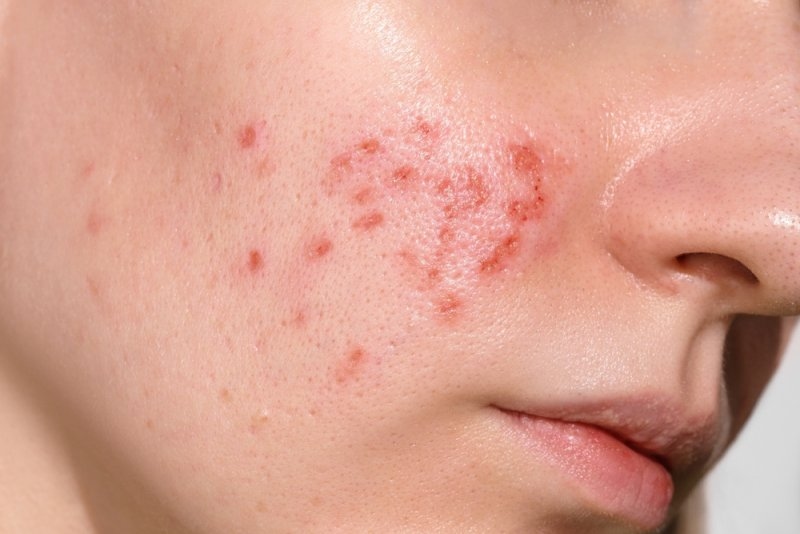
As you become adept at recognizing barrier issues and can apply appropriate intervention, you will experience less redness, less peeling, and less of that tightness you hate so much! Consistency really does go a long way for your skin than overloading it with product. This is our guide for skin barrier repair that will help you in a better way!
Think of your skin barrier like a shield. It keeps moisture in, keeps bad stuff out, and just keeps everything running smoothly underneath. Once that shield breaks down, moisture escapes fast, which leads to dry patches, irritation, and redness. That’s why you want to strengthen your skin’s barrier before worrying about breakouts or fine lines.
And if your tried-and-true products suddenly feel harsh or sting, that’s usually a barrier problem. Instead of reaching for harsher treatments, pause and give your skin a chance to calm down. Healthy skin naturally feels softer and less reactive to every little thing.
Catching a damaged skin barrier early spares you a bigger headache down the line. Here’s what to look for:
If you’re ticking off two or three of these at once, your skin needs restoration—not another round of strong actives. Your face should feel okay, not like it’s always annoyed with you.
It’s usually a combo of bad habits and rough products. Washing too much, using foaming or alcohol-heavy cleansers, and blasting your face with acids—these all strip the good stuff from your skin. Even things like retinol and exfoliating acids, if you overdo them or forget to moisturize, eat away at your barrier.
And then there’s the environment. Unfriendly weather, pollution, hot showers, and too much sun will do a number, too. If you want a healthy skin barrier, it helps to swap out the harsh stuff and treat your routine more gently.
The answer to " how to repair skin barrier" isn’t more products—it’s less. Step back, simplify things, and focus on allowing your skin to repair itself.
Start with a gentle, non-stripping cleanser that doesn’t leave you feeling tight. Use a hydrating serum with glycerin or hyaluronic acid, then slather on a rich moisturizer with ceramides and fatty acids to rebuild that protective layer. In the morning, always finish with sunscreen.
The Bottom Line: Healing up takes time—a few weeks, sometimes more if things are really out of balance. The key is sticking to this routine every day instead of chasing quick fixes.
Stick to basics. Hydration, nourishment, and sun protection win over aggressive treatments every time.
Don’t shake things up with new products while you’re healing. Too much change just slows everything down.
Don’t overthink it with complicated formulas. Here’s what to look for on the label:
These work best if you use them regularly and keep your routine steady. The result? Less dryness, less redness, and skin that feels comfortable again.
Most people accidentally slow recovery by keeping up the habits that caused the damage in the first place.
Great skin isn’t about collecting a shelf full of products. It's about daily protection and patience. A gentle, focused skin barrier repair routine with the right ingredients, plus a little time, will restore your barrier and give you that healthy skin barrier and comfortable glow again. Once you find what works for your skin barrier repair, everyday maintenance gets a whole lot easier—and your skin will thank you for it.
Your skin can be supported from within by having a diet that is packed with omega-3s, vitamin E, vitamin C, antioxidants, and healthy fats. Drinking plenty of water and incorporating fresh vegetables, fruits, nuts, seeds, and fatty fish into your diet can help your skin barrier stay hydrated and happy in combination with an excellent skin barrier repair routine.
You certainly can, though, where you can, it’s best to opt for lighter, fragrance-free, non-comedogenic options. Ensure you wash your makeup off before you go to sleep with a gentle approach rather than scrubbing the skin off your face. You could also consider leaving makeup off for a couple of days if your skin feels very raw or painful, so your skin barrier can recuperate more quickly and with less irritation.
Our skin gets the opportunity to work on itself when we sleep. It gets time to grow new cells and top up on lost moisture. Chronic lack of sleep can also lead to the production of more stress hormones, which, in the long term, may make your skin barrier less efficient at what it does.
Yes! Even when your skin begins to recover, it’s beneficial to continue with your routine as using a gentle cleanser, moisturizer, and daily sunscreen will still go some way to protecting your skin from any irritation. You can then gradually begin to reintroduce ingredients, one at a time, as long as you are monitoring skin closely rather than diving back into an aggressive routine.
This content was created by AI