

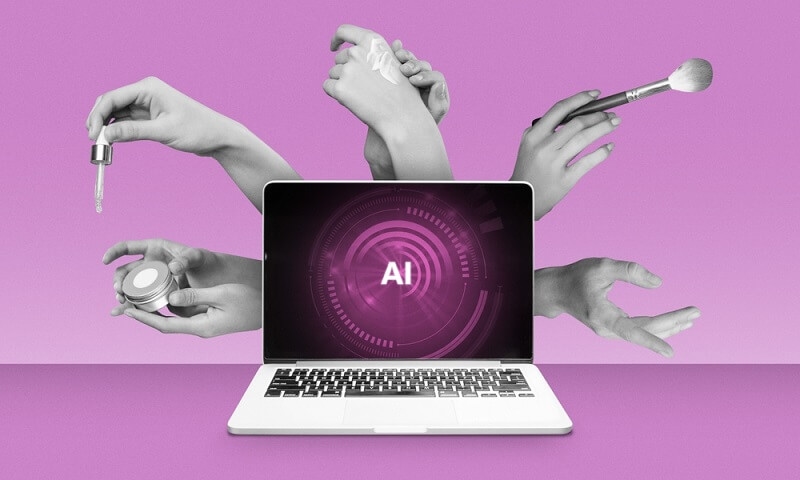
Buying makeup used to feel like a gamble.
You walk into a store. Try a shade on your hand. Looks fine there. Step outside. Completely different story. Too light. Too orange. Money wasted.
Most people have been there at least once. Some more than they’d like to admit. That’s exactly where things started changing.
Now with AI beauty tools, you don’t just guess. You check first. You see it on your face. You decide after that.
This whole shift is what AI Suggested Makeup: How Technology Is Personalizing Beauty is really about. Less confusion. Better picks. Less regret.
It’s simple.
You upload a photo. Or open your camera. The system studies your face. Skin tone. Texture. Even small things like redness, pores, dullness.
Then it gives you personalized makeup recommendations.
Not random ones. Not “best sellers”. Ones that actually match you.
For example.
If your skin is oily and slightly uneven, it won’t suggest a heavy dewy foundation. It will lean towards matte. Long wear. Something that holds up through the day.
If your undertone is warm, it won’t push cool pink lipsticks. It will suggest shades that actually sit right on your skin.
That’s where it feels different. More specific. More useful.
You may also like: Glazed Glass Skin Makeup Trends: A Quick Guide
Let’s not overcomplicate it.
Here’s how it usually works.
Done.
Behind that, a lot is happening. But for you, it feels quick and smooth.
The system checks:
Then connects it with products from its database.
And then comes the part people actually enjoy.
Virtual makeup try on.
You see the lipstick. On your face. Not on a model. Not edited. On you.
You try a nude. Then a bold red. Then something in between.
Some look good instantly. Some don’t. And you know it right away. No second guessing.
This feature alone is enough reason for people to stick with these tools.
No store visits. No waiting. No dealing with testers that have been used by ten other people.
Just your phone. That’s it.
You try one product. Swipe. Try another. Keep going.
Within minutes, you narrow it down.
And honestly, once you start using virtual makeup try on, going back to blind buying feels unnecessary.
It’s not just fun. It’s practical.
It also helps when you are unsure about bold shades. Like deep reds or bright pinks. Shades you normally avoid.
You test them first. Then decide.
Scrolling through hundreds of products is exhausting.
Half of them won’t suit you anyway.
That’s where personalized makeup recommendations come in.
You don’t see everything. You see what works.
Example.
You upload a selfie.
The system picks up:
It suggests:
You’re not starting from zero. You’re starting from a filtered list.
And that saves time.
Also reduces those random purchases you later regret.
It’s not hype. It’s just easier.
AI beauty tools are growing because they fix real problems people face daily.
Also, online shopping becomes less risky.
Earlier, buying makeup online felt like guesswork. Now, not really.
You test first using virtual makeup try on, then buy.
That small change makes a big difference.
Not all beauty tech trends matter. Some are just for attention. But a few are genuinely helpful.
Here are the ones that are actually being used.
They check acne, dryness, fine lines. Then suggest products based on that. Not generic routines.
Mostly in stores right now. You stand in front of them. They scan your face. Show different looks instantly.
You can try trending styles without doing them yourself. Good for experimenting without effort.
Your suggestions don’t stay the same. They change based on usage, weather, even skin condition over time.
These beauty tech trends are moving towards one thing. Better personalization.
Also check: Makeup Tools Guide: Achieve Flawless Makeup Like a Pro MUA
Say you’re getting ready for an event.
You’re not sure which lipstick to pick. You have three options. All look similar in the tube.
Instead of trying each one, removing it, trying again, you open an app.
Use virtual makeup try on.
Within seconds, you know which one works with your outfit and skin.
That’s time saved. And less mess.
It’s a small thing, but it adds up.
AI is improving fast, but it is not perfect.
Results can change depending on your camera and lighting.
Virtual results may differ slightly from real life.
Some users are cautious about sharing facial data.
Older systems struggled with diverse skin tones, though this is improving.
These limitations are being addressed as technology improves.
Before this, choosing makeup was random.
You relied on:
Now it’s more controlled.
You use:
Less trial. More clarity.
You don’t feel lost in too many options anymore.
AI Suggested Makeup: How Technology Is Personalizing Beauty is not about making beauty complicated.
It’s doing the opposite.
It simplifies things. Helps you choose faster. Cuts down mistakes.
From AI beauty tools to virtual makeup try on, everything is built to make decisions easier.
And once you get used to seeing results before buying, it’s hard to go back to the old way.
Quick answers. Straight to the point.
Apps that scan your face and suggest products based on your skin type, tone, and features.
Mostly yes. Slight differences can happen, but it’s good enough to make confident choices.
Yes. They reduce confusion, save time, and help you pick products that actually suit you.
This content was created by AI